
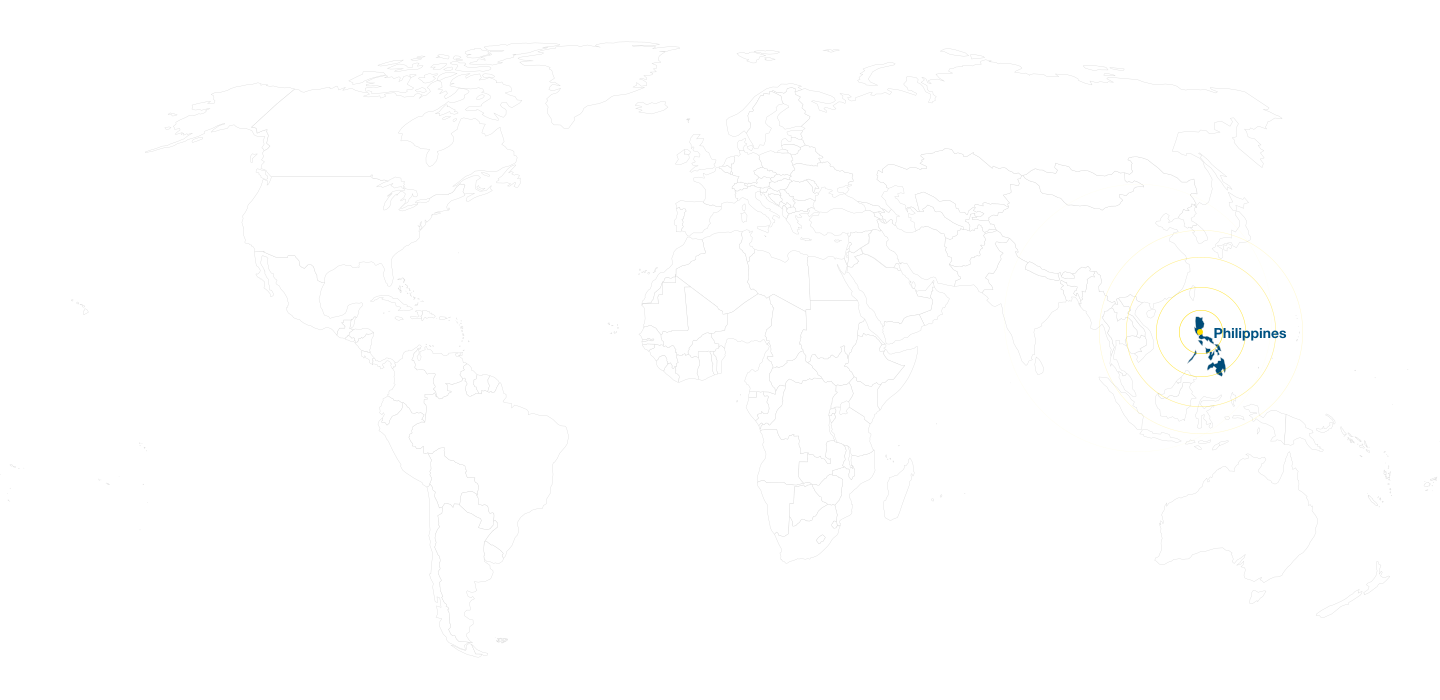




Living in Water grew out of a desire to tell the stories of communities shaped by rising sea levels in the Philippines. This immersive VR project translates environmental data and personal testimony into a narrative designed to be felt rather than explained. Rising seas do not always land as disasters. In Isla Tibaguin, Philippines, it arrives quietly as creeping floodwater brought in by the tides. Nearly every day, floodwaters submerge homes and turn streets into rivers, halting life for hours. This is climate change in slow motion. Created by Ana P. Santos (Atlantic Fellow for Health Equity in Southeast Asia), the film offers an intimate perspective on how the climate crisis is woven into the everyday fabric of island life.
Developed in partnership with the Atlantic Institute’s XR Lab and The Equity Initiative, this project showcases the potential of emerging technology to drive social change. By using the 360° medium, Living in Water invites the viewer to sit within the reality of climate anxiety and reflect on what true justice and adaptation require.

Explore our interactive map to see how this Fellow-led experience was brought to life by harnessing diverse community expertise, catalytic funding and a creative approach to collaboration.
%20(2)%201.jpg)

What does it feel like when the ocean moves into your living room? Tap to watch Atlantic Fellows for Health Equity in Southeast Asia Amina Evangelista Swanepoel and JR Coro reflect on the powerful, quiet weight of climate anxiety and what it means to truly adapt.

Let's move beyond maps and charts to translate environmental data into an immersive narrative you can actually feel. Go behind the scenes with Ana P. Santos as she shares how the XR Lab turned the lived experience of Philippine island communities into a sensory VR journey. It’s not just about the water rising; it’s about the heart’s response to it.
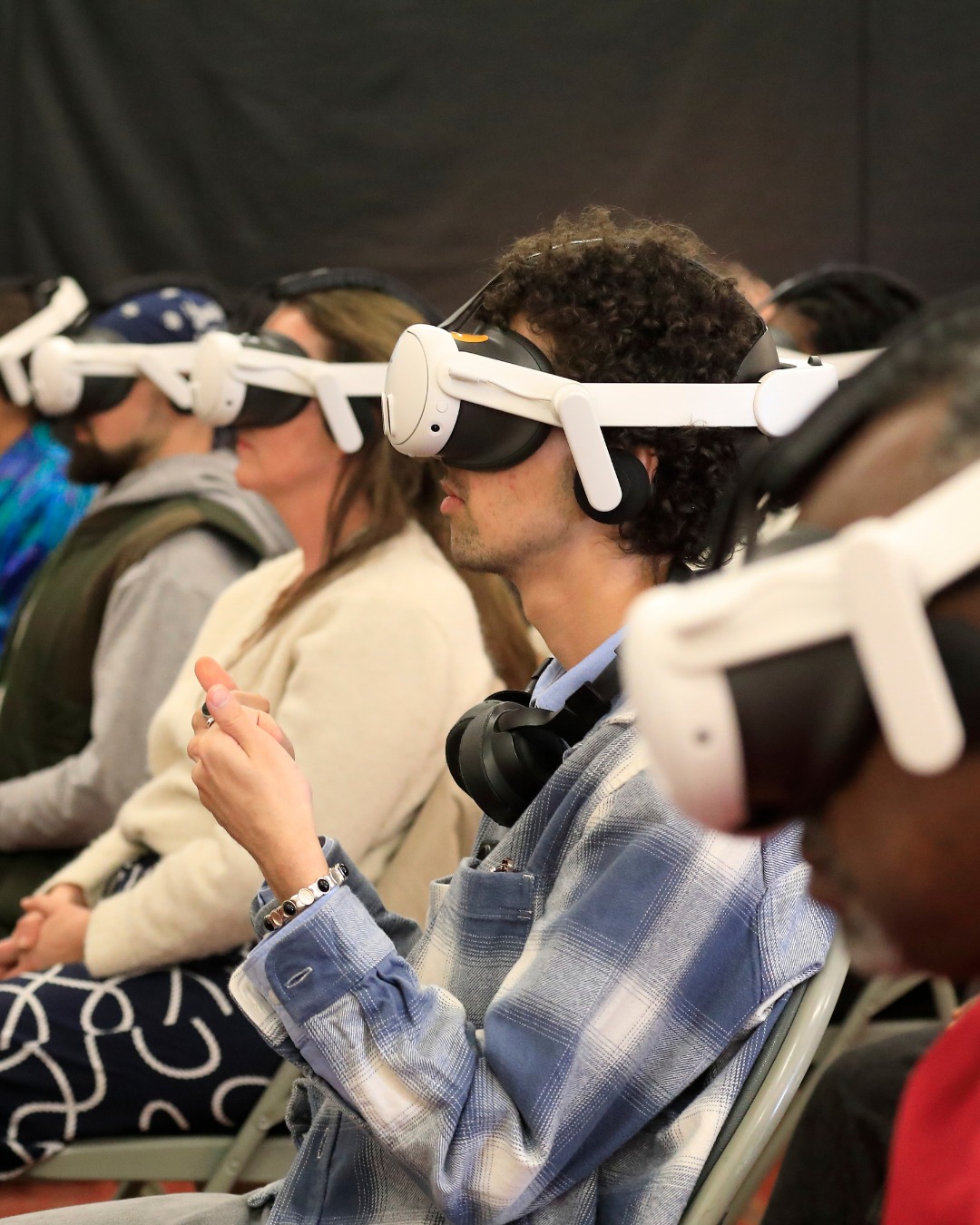
During Skoll Week, global leaders stepped inside Living in Water to witness the reality of the climate crisis first-hand. See what filmmaker Ana P. Santos had to say about her experience of using VR as a climate justice tool.

Living in Water grew out of a desire to tell the stories of communities shaped by rising sea levels in the Philippines. This immersive VR project, supported by the Institute, translates environmental data and personal testimony into a narrative designed to be felt rather than explained. Rising seas do not always land as disasters. In Isla TIbaguin, Philippines, it arrives quietly as creeping floodwater brought in by the tides. Nearly every day, floodwaters submerge homes and turn streets into rivers, halting life for hours. This is climate change in slow motion. In this podcast, hosted by Atlantic Institute XR Lead, Alice Wroe, the film's creator, Atlantic Fellow, Ana P. Santos discusses how the film came about. They are joined by Fellow, Myriam Hernández who met Ana at an Institute XR Residency in Oxford and encouraged her to develop the film.
%20(1).jpg)