

Growing up, I experienced firsthand what health and gender inequality can do to a person's life. My journey was never driven solely by theory or statistics — it was driven by lived experience.
Around the world, millions of people still lack access to quality health care, sexual and reproductive health (SRH) services and reliable health information. Women and girls continue to face gender inequality, gender-based violence, child marriage, harmful practices and barriers to exercising their rights. In many underserved communities, the absence of accurate health awareness and accessible services means that preventable illnesses become life-threatening, while silence and stigma continue to surround issues such as menstruation, reproductive health and sexually transmitted diseases.
The real battle is long before someone reaches a hospital. It begins with knowledge, confidence, equal opportunities and communities that know how to protect themselves.
For me, these are not just global challenges — they are deeply personal.
I lost both of my parents because of health inequalities due to delayed access to quality health care and an inability to reach appropriate medical care. During my childhood and adolescence, I also experienced different forms of gender-based violence. Those experiences could have defined my future, but instead they shaped my purpose.
I made a promise to myself: No more violence. No more preventable suffering.
That promise became the foundation of my life's work.
As an obstetrician and gynaecologist, I recognised that treating patients inside a clinic was not enough. The real battle is long before someone reaches a hospital. It begins with knowledge, confidence, equal opportunities and communities that know how to protect themselves. I chose to dedicate my career to health awareness, women's empowerment, youth leadership and preventing violence against girls and women — not only through medical practice but also through community engagement.
One thing that always stayed with me was that, as a young person, I rarely found someone who truly believed in me or helped me discover my own potential. It was not until my late 20s that I found mentors who opened doors and encouraged me to dream bigger.
I often wondered how many young people lose their potential simply because no one ever tells them that they matter.
I now dedicate my life to supporting young leaders and children to discover their talents, develop their passions and become active citizens who create positive change within their communities. In 2014, I founded the Global Youth Ambassadors Team (GYAT), which has since grown into a vibrant network of hundreds of young changemakers across Egypt.
Games create safe spaces where difficult conversations become easier. They replace fear with curiosity, judgement with participation and silence with dialogue. They are affordable, innovative and highly adaptable to different communities.
Over the years, one lesson became increasingly clear: information alone does not change behaviour.
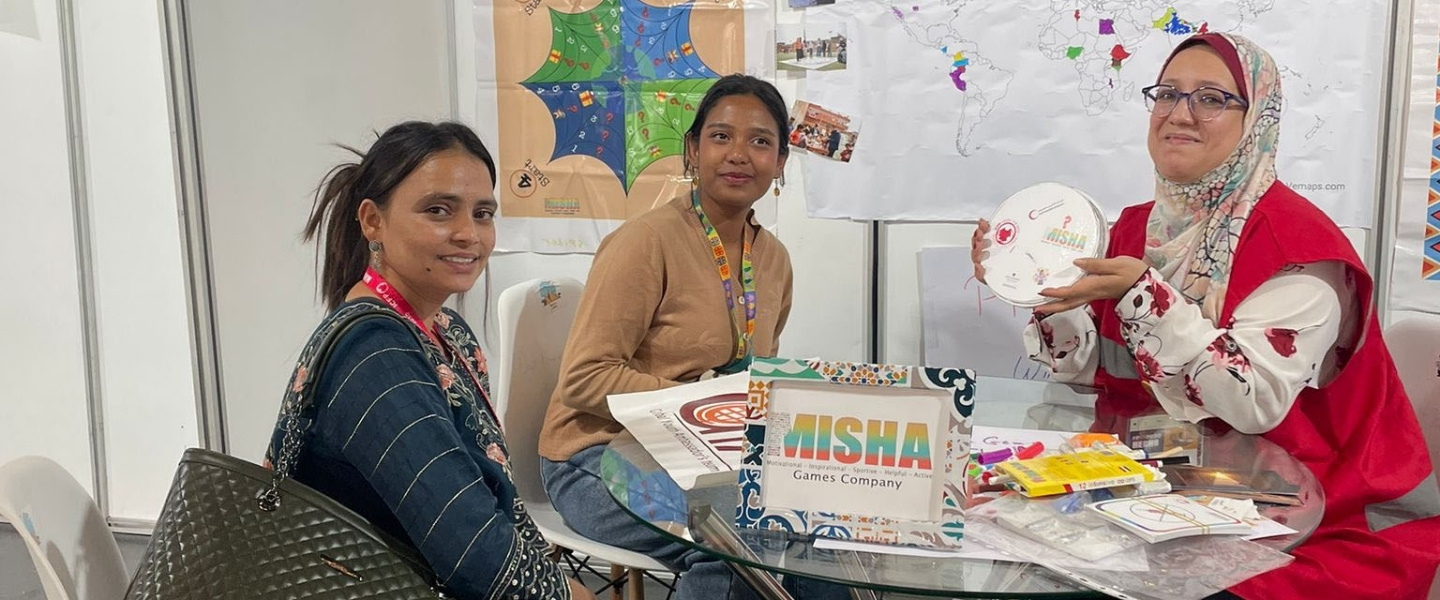
I spent years experimenting with different approaches to health education, especially on sensitive topics such as sexual and reproductive health, sexually transmitted diseases and gender equality. Communities often struggled to engage with traditional awareness sessions about sexual or reproductive matters because of the cultural barriers. Eventually, I discovered that gamification and art could reach people in a way that lectures could not. Our games are mainly played in person. We aim to bring smiles to every child’s face and invite whole families to the table to play board games, card games, sporting activities that we have designed as well as lessons to educate them about their bodies. Nearly one-third of our participants are disabled so the games are designed to be inclusive. No phones or laptops are needed: our games go to places that don't have electricity, are played by villagers who don't know they have the right to play. It is all authentic. We draw it ourselves and design it through our National Gamification camps.
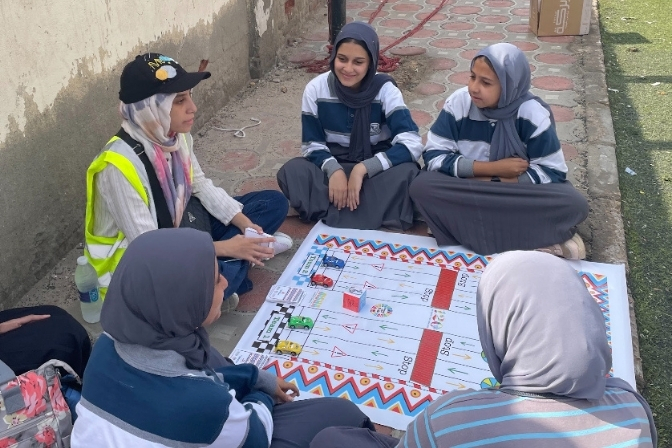
Games create safe spaces where difficult conversations become easier. They replace fear with curiosity, judgement with participation and silence with dialogue. They are affordable, innovative and highly adaptable to different communities.
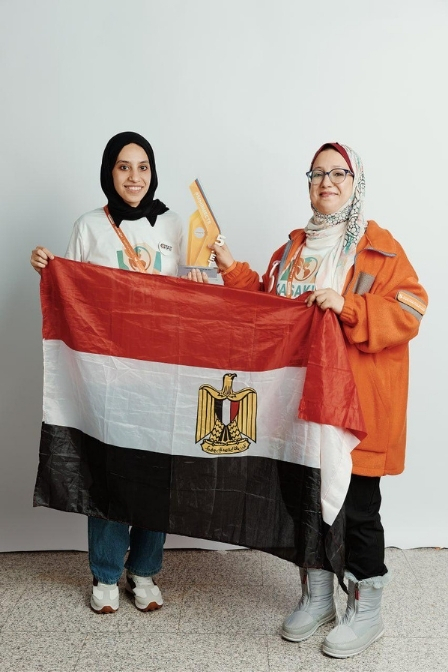
What started with just two passionate people attending a basic gamification training supported by UNDP has grown into a movement. Today, our network includes more than 300 trained gamifiers who have reached over 10,000 participants across Egypt. Our methods have evolved through continuous testing and learning, beginning in three villages and expanding nationwide. Along the way, we have had the opportunity to present our work internationally in Thailand, Russia and Colombia, demonstrating how locally developed, culturally sensitive gamification tools can address complex social and health challenges.
My journey is proof that our deepest wounds can become our greatest source of purpose.
Our next dream is to secure support for our mobile gamification solution, MISS, enabling innovative health education to reach even more underserved communities through digital technology.
Choosing this path often comes with criticism — particularly as a woman from the Global South. People question why you leave a secure career, why you spend your own time and resources serving communities.
The Atlantic community became the place where I no longer had to explain why I cared.
Through my collaborations with other Atlantic Fellows, I have strengthened not only my professional skills — including grant writing, international networking and leadership —but also my self-confidence. Meaningful change is never created alone. It grows through collaboration, solidarity and the courage to believe in one another.
Looking back, I never imagined that the little girl who experienced violence and lost her parents because of health inequality would one day help thousands of people access knowledge, empower hundreds of youth leaders and represent innovative community solutions on international stages.
My journey is proof that our deepest wounds can become our greatest source of purpose.
Every game we create, every young leader we mentor and every community we reach is another step towards a future where no child grows up believing violence is normal, no family loses a loved one because health care arrived too late and every young person has someone who believes in their potential.
That is the future I continue working towards — one empowered young person, one community and one game at a time.
Find out more
Global Youth Ambassadors Team in Egypt
About the author
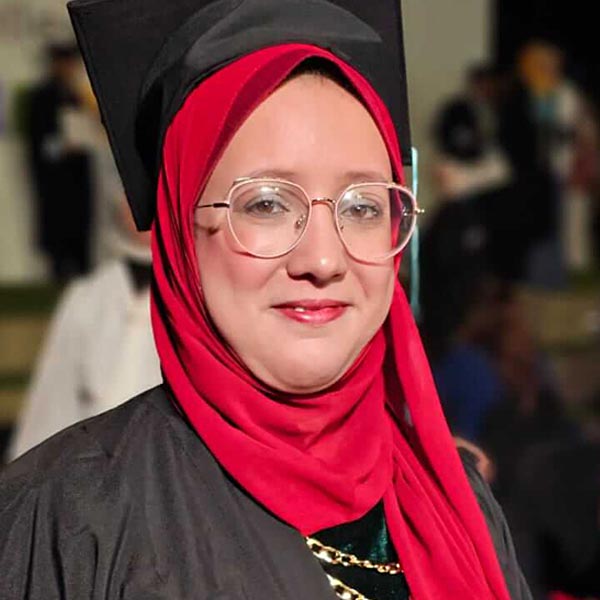
Naglaa Fathy Lithy is an Atlantic Fellow for Health Equity Global, a senior health specialist and global youth advocate. She works extensively on sexual and reproductive health, community development and gender equality, serving as a senior health specialist and program manager with organizations like the Egyptian Red Crescent. She's passionate about building capacity for young healthcare stakeholders to be “champions of change” for health awareness and equity using Innovative approaches like art, recycling and gamification.


.png)

